Collections
Recent Acquisitions
Gynecology
Obstetrics
Surgical Instruments
Apothecary and Drug Store
Medicine
Microscopes and Scientific Instruments
Nostrums and Quackery
The Veterinary Armamentarium
What's-Its
About
Biography
E-Books
Glossary
Search
Sign In My Account

The Tizzano Museum

Collections
Recent Acquisitions
Gynecology
Obstetrics
Surgical Instruments
Apothecary and Drug Store
Medicine
Microscopes and Scientific Instruments
Nostrums and Quackery
The Veterinary Armamentarium
What's-Its
About
Biography
E-Books
Glossary
Search
Sign In My Account

Gynecology

The Armamentarium Gynaecologica
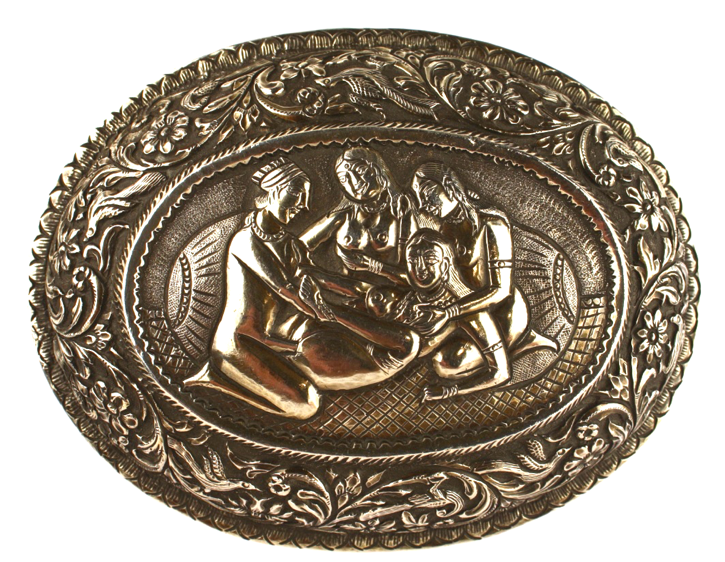
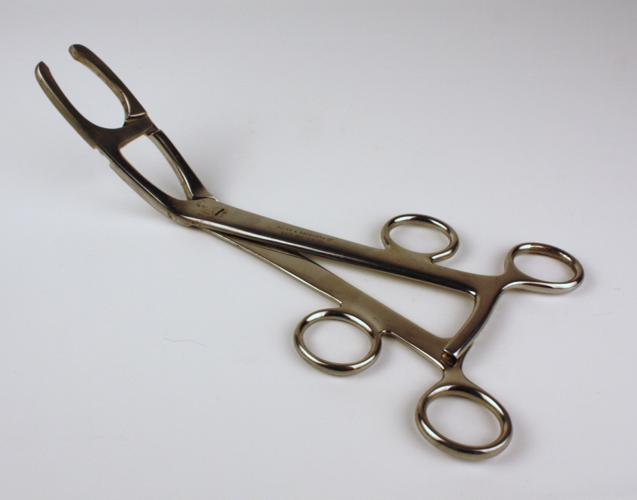
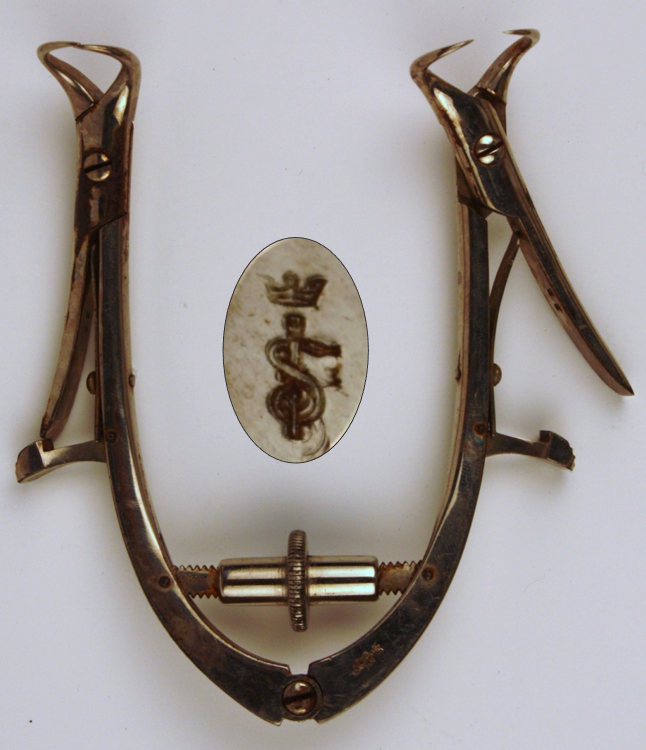
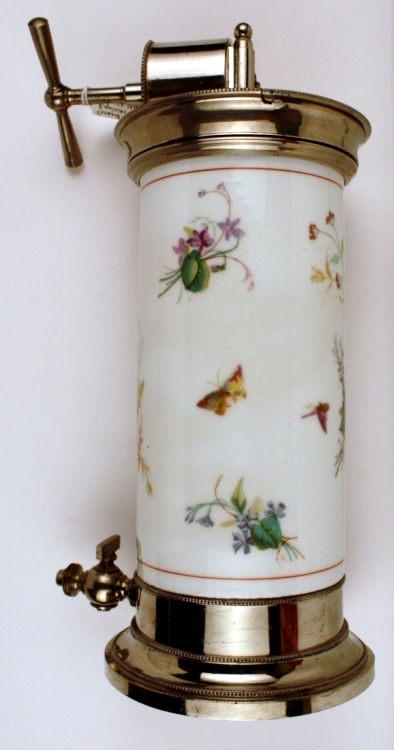
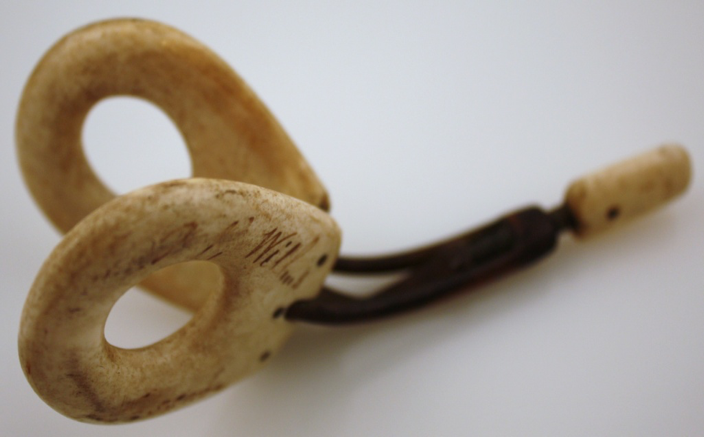
Gyn VS Presentation Ricord’s Speculum.png Gyn - Kama Sutra Box 19th C. Tooled Silver.png Gyn Utr Hysterectomy - Bonney’s Myomectomy Clamp.png Gyn VVF - Friedmans Perineorraphy Retractor Blair Bell’s Vulva Retractor.png Gyn VUI - Grand Equisier.png Gyn Utr Malposition - J.P. Willms’ Pessary Patent Model - Dec. 4th 1866.png

Gynecology, an almost exclusively medical discipline in America until well into the nineteenth century, became nothing short of spectacular by the century’s end with a fabulous array of innovative instrumentation and consistent surgical successes.

Featured
Literature
Literature

Books and later journals record the rich story of medical milestones and progress.

Read more →
Education
Education

Early medical education was by apprenticeship.  In time, established physicians offered private lectures in anatomy and surgery, but formal medical education did not occur in America until its first medical school was established in Philadelphia in 1765.


“It is easier to buy books than to read them, and easier to read them than to absorb them.”  - William Osler, BMJ, 1910

Read more →
The Office
The Office

Outfitting an office for gynecological purposes required a specially designed chair, cabinet, lighting and instruments appropriate for the procedures performed.  

Read more →
The Examination
The Examination

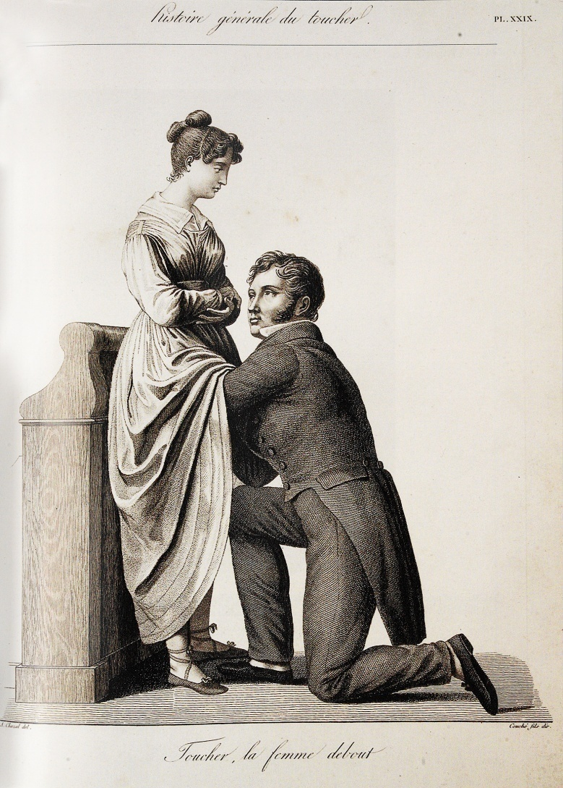
During the first half of the 19th century it was quite proper to conduct a vaginal examination while the patient was standing or recumbent. However, in all instances it was considered very poor form to expose the genitals unnecessarily. 

Read more →
Vaginal Specula
Vaginal Specula

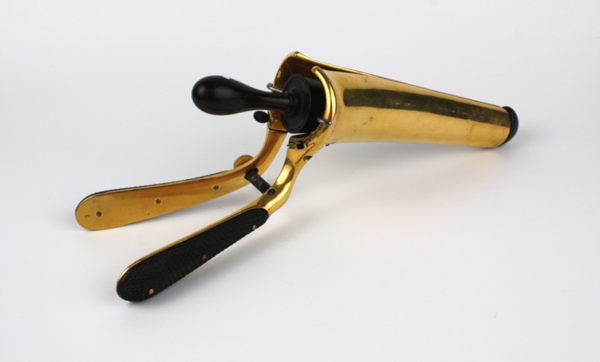
The one indispensable instrument in gynecology for both therapeutic and diagnostic purposes is the vaginal speculum.  The Greeks referred to this instrument as dioptera whereas the Romans called it speculum. Towards the end of the 18th century and throughout the 19th century, this instrument had undergone an extraordinary number of variations.

Read more →
Vesico-Vaginal Fistula (VVF)

Extraordinary effort and a vast array of instruments were devoted to perfecting measures by which this formerly intractable condition could be successfully treated.

Read more →
Urethral and Uro-Cystic

Specialized instruments were developed to address disorders of the female urethra and bladder.

Read more →
Vaginal and Uterine Irrigation

All manner of devices were designed to introduce medications into the vagina and uterus and to irrigate same.

Read more →
Uterine Applicators
Uterine Applicators

Intended for the application of medicinal agents and caustics

Read more →
Uterine Dressing Forceps

Served as applicators for a variety of substances to the uterus

Read more →
Uterine Tenacula
Uterine Tenacula

Provided a reliable means for securing and manipulating the uterus during procedures

Read more →
Uterine Probes and Sounds

Were a simple means for ascertaining uterine size, displacement, flexion and the presence of intra-uterine polyps, etc.

Read more →
Uterine Malposition and Displacements

Instruments designed to address malposition offered the operator a creative means for returning the uterus to the desired anatomic position

Read more →
Uterine Stenosis
Uterine Stenosis

Stenosis was addressed by incising the endocervical canal or with by mechanical dilation

Read more →
Uterine Plethora
Uterine Plethora

Gave purpose to a novel assortment of specialized instruments for conveniently scarifying and bleeding the cervix uteri

Read more →
Uterine Tumors
Uterine Tumors

Once the uterus was sufficiently dilated a wide variety of instruments could be introduced to remove uterine tumors and polypi

Read more →
Ovariotomy
Ovariotomy

The operation for removing the ovary was first performed in 1809 by Ephraim McDowell.  Subsequently, instruments were developed to enter the peritoneal cavity, evacuate and extract the cyst and to address the pedicle.

Read more →
Hysterectomy
Hysterectomy

Successful hysterectomy was a long time in the making as it generally required entry into the peritoneal cavity at the risk of developing peritonitis.

Read more →
Trachelectomy and Trachelorrhaphy

Removal of the cervix alone was preferred early on as it was simpler to perform and avoided entry into the peritoneal cavity

Read more →
Needle Holders
Needle Holders

Ones intended for gynecological surgery were generally long and slender with multidirectional jaws that could be reliably secured to prevent inadvertent loss of the needle

Read more →
Miscellaneous and Unidentified
Read more →

Get news and updates

Thank you!
Back To Top
Terms & Conditions
Acknowledgements
The Tizzano Museum of Obstetrics, Gynecology, Medicine and Women's Health History, Wooster, OH, 44691, United States
Creative Commons License
This work by The Tizzano Museum is licensed under a Creative Commons Attribution-NonCommercial-NoDerivatives 4.0 International License.

Designed by Ben Hamilton

Cart (0)